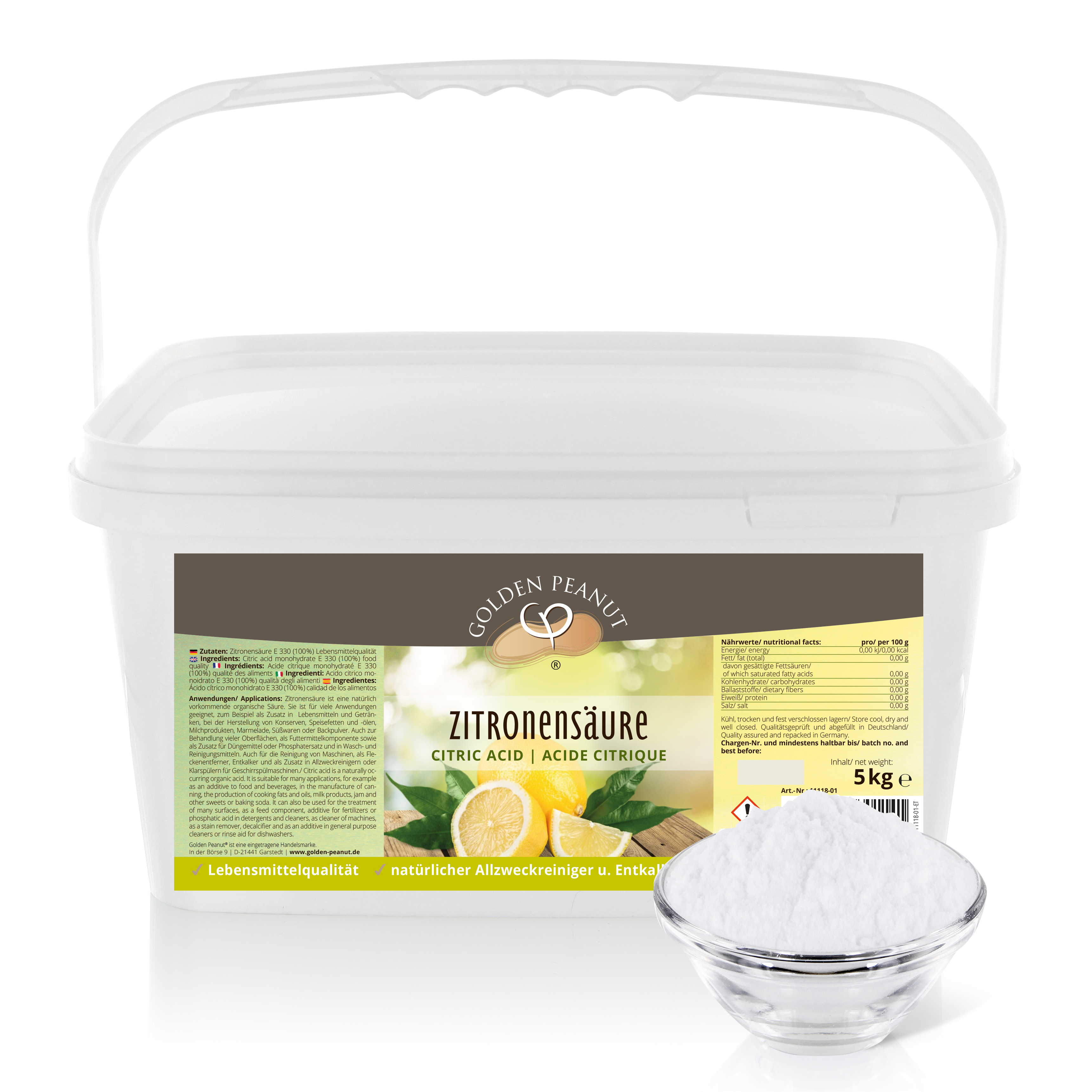
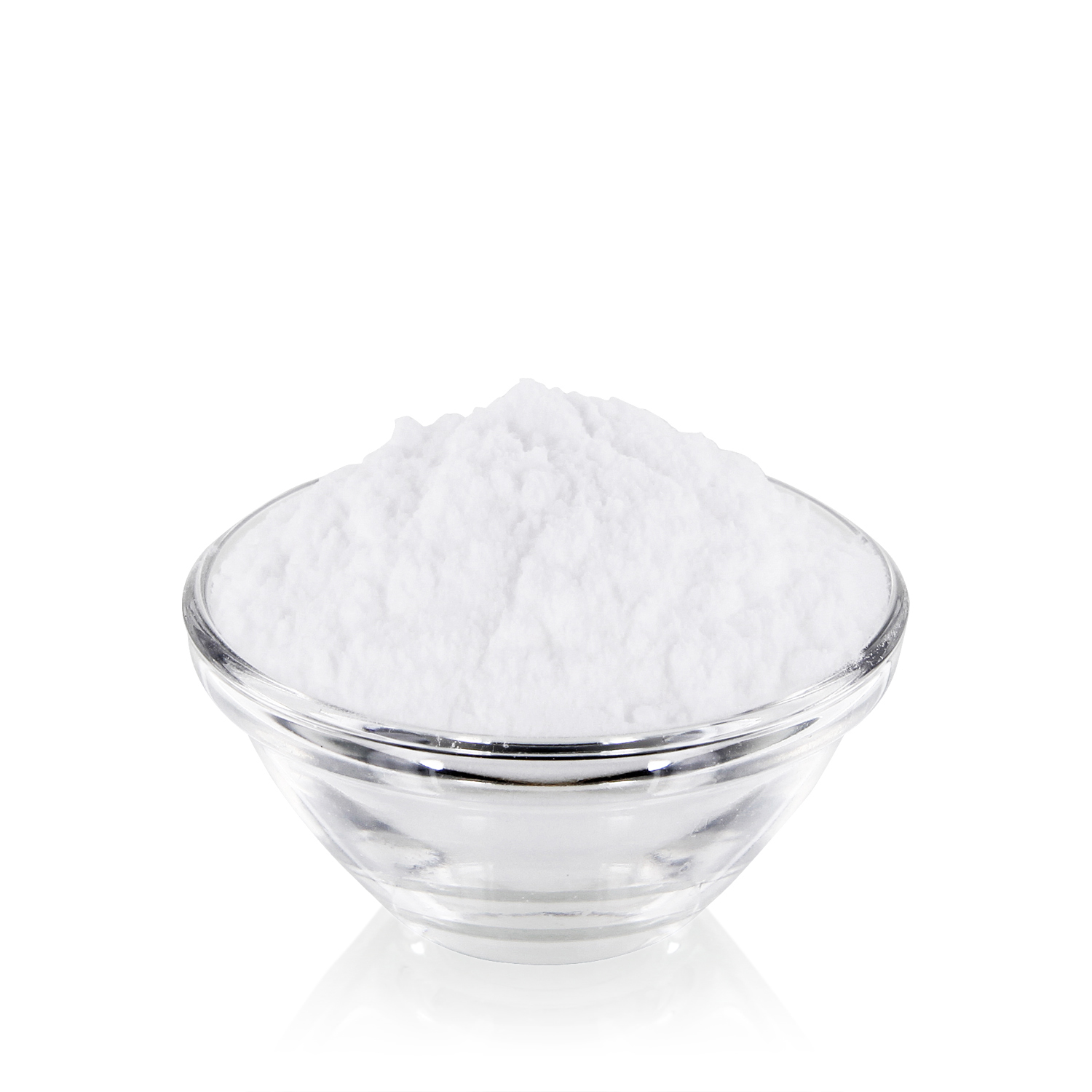
Citric acid monohydrate
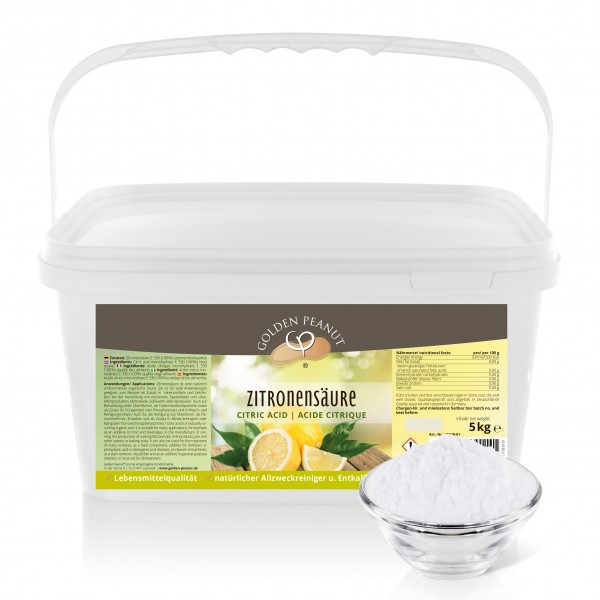
Descaler Granulate Food quality



Prices incl. VAT plus shipping costs
Ready for immediate shipment, delivery time approx. 1-3 workdays
- Article No.: 11118-01
- Food quality
- tested for harmful substances and microbiology
- suitable for numerous applications
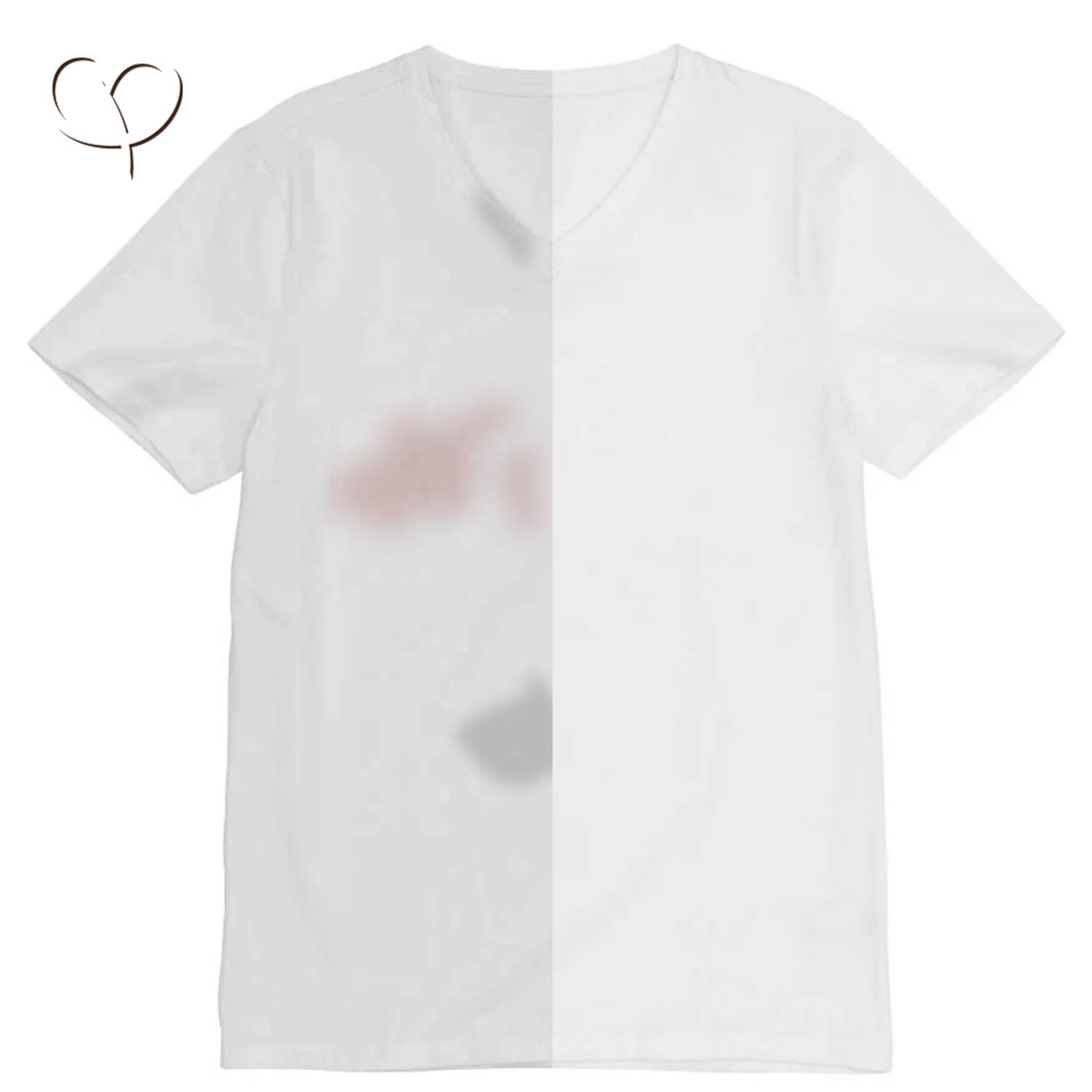
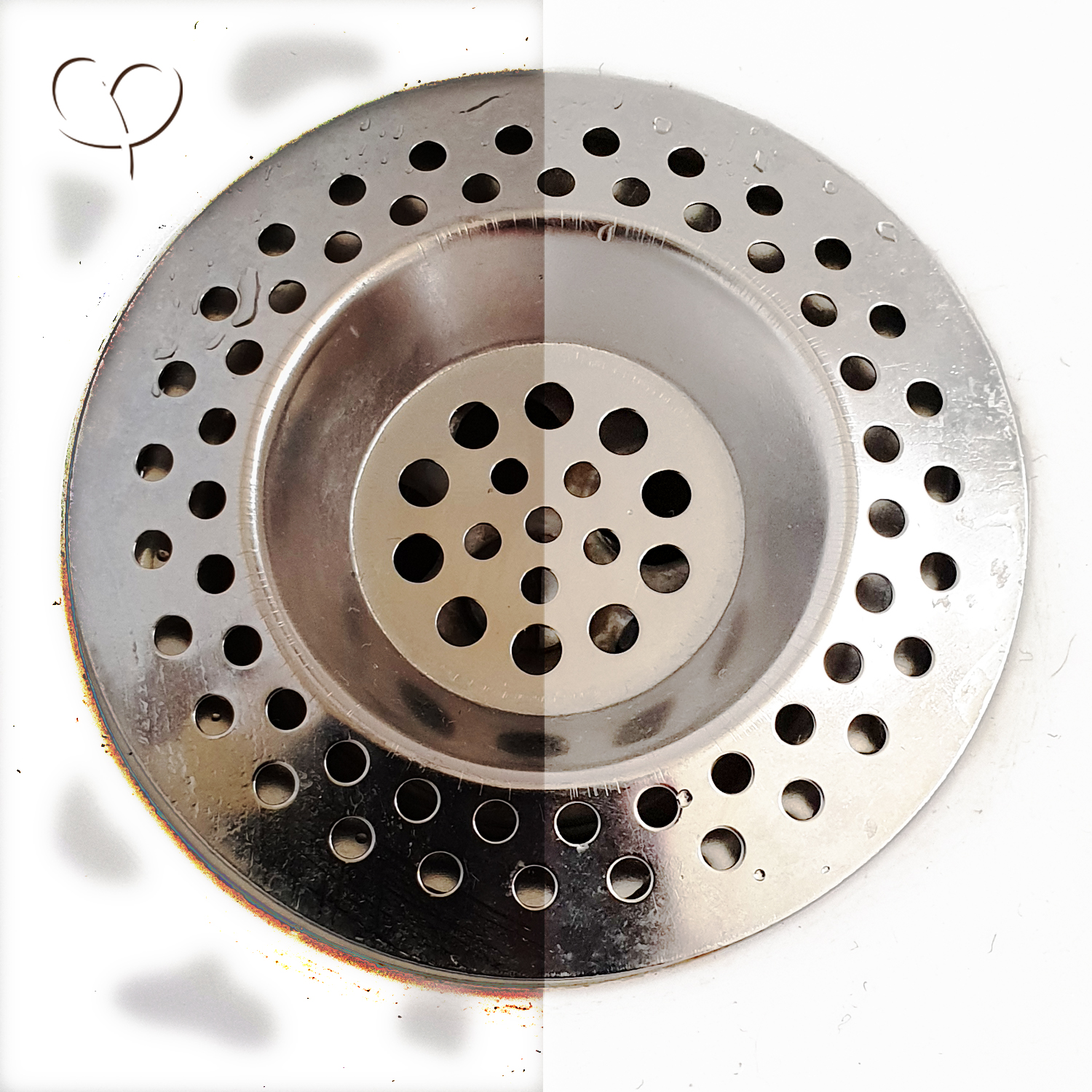
Citric acid is one of the most widespread acids in the plant kingdom and occurs as a metabolic product in all organisms. Lemon juice, for example, contains 5-7% citric acid. It is also found in apples, pears, sour cherries, raspberries, blackberries, currants, conifers, mushrooms, tobacco leaves, wine and even milk. Citric acid is produced industrially by fermenting sugary raw materials such as molasses and maize. Aspergillus niger strains are used for fermentation. Citric acid not only has a lime-solvent effect due to its acid effect, but also due to the formation of a calcium complex. It is often used in detergents to avoid the unpleasant smell of vinegar cleaners. However, the complexes are not heat-resistant and decompose when heated to calcium citrate which is relatively difficult to dissolve. Citric acid can be used, for example, to decalcify kettles, immersion heaters, taps, shower heads, dishwashers or washing machines.
As an intermediate product of the energy metabolism (citric acid cycle), citric acid is a component of every living cell. The human metabolism converts one kilogram of it daily. In addition to its function as the most commonly used acidifier, citric acid is used in the food industry for a number weiterof technological applications. Because of its ability to form complexes with heavy metals, it receives fats, colours, flavours and vitamin content in many foods as an antioxidant. When sterilizing cream and milk and melting cheese, it prevents the protein from coagulating. Citric acid supports the reddening of meat and also improves the baking properties of doughs and flours. Citric acid is also used as a technical adjuvant in the production of edible fats and the treatment of fresh fish.
Manufacture:
Citric acid is produced biotechnologically with the aid of microorganisms, in particular the mould fungus Aspergillus niger. Glucose or molasses serve as the nutrient medium.
- Food quality
- tested for harmful substances and microbiology
- suitable for numerous applications
- neither chemically nor radioactively treated
- food safe packed in bucket with tamper-evident closure
- bottled in Germany
Citric acid E-330 (100%)
| per 100 g | |
|---|---|
| Energy value | 0,00 kj / 0,00 kcal |
| Fat | 0,00 g |
| - of which saturated fatty acids | 0,00 g |
| Carbohydrates | 0,00 g |
| - of which sugars | 0,00 g |
| Dietary fiber | 0,00 g |
| Protein | 0,00 g |
| Salt | 0,00 g |
- Refreshments
- Ice cream and desserts
- Sweets
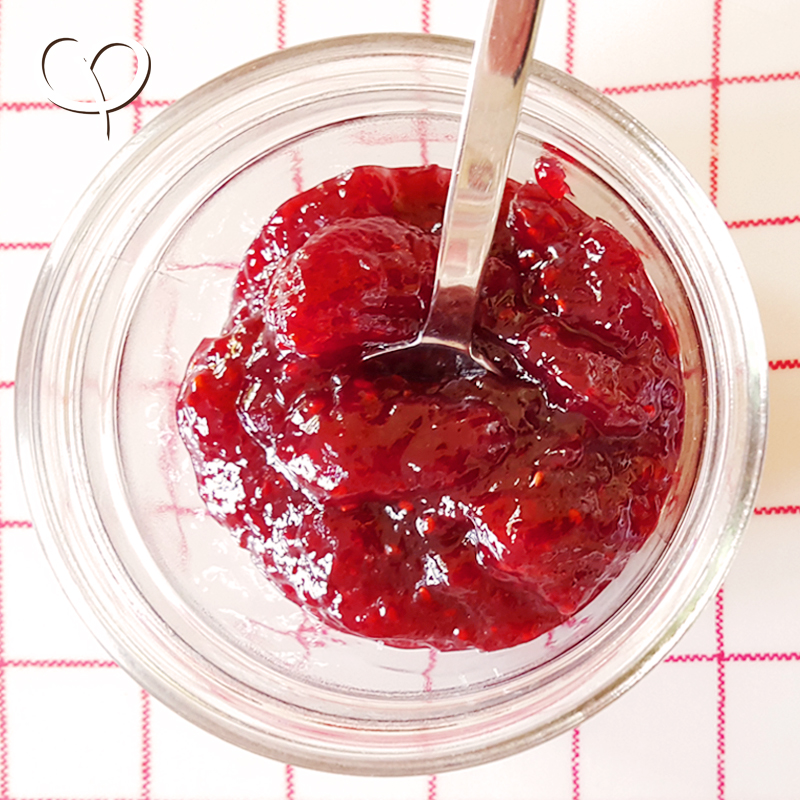
- Jam, marmalade, jelly
- Fruit juices and fruit nectars (max. 3 or 5 g/l)
- cut packaged vegetables, fruit and peeled potatoes
- Cheese and meat products
- Pasta
- Water softener and alternative fabric softener
- for passivation of stainless steel
- Accelerator for the curing of cementitious masses
- as rust remover
- in numerous technical applications
Raw materials are subject to strict quality controls, which we naturally adhere to. When selecting suppliers in Germany and the countries of origin, we ensure that all European standards are met, that the products are tested in the laboratory and that the analytical data comply with the strict product specifications. Our suppliers have many years of experience and all the certifications required to ensure consistently high quality (e.g. ISO 22000, IFS, BRC, FSSC or similar). We regularly audit our suppliers on site in order to convince ourselves of these high standards and to control all processes in the supply chain.
We focus on sustainability and want to meet the highest demands. That is why Golden Peanut offers you products of German quality. All products, which originally come from different countries all over the world, are checked in Germany for residues and carefully controlled. Only if a perfect quality is determined, the raw materials are processed further in Germany or filled into finished packages. In order to ensure marketability, we have our product labels checked for correct declaration before they are placed on the market.
Product illustrations may differ in color, design and batch-related information.
- We are certified organic by the inspection body DE-ÖKO-003 LACON
- All products are filled in Germany under hygienically safe conditions
- Bottling is regularly checked by the state food inspection authority and is carried out according to the HACCP concept
- We only use aroma safe and food safe packaging with EU conformity certificate
- Our product labels are checked by accredited laboratories for the correctness of the declaration
- All processes in the supply chain are subject to regular controls by official bodies
- We guarantee a complete traceability of all components of our products from the origin to the finished product
- Our products are marketable in stationary trade by marking with scanable EAN barcodes
Should you require larger quantities (e.g. for your own distribution, also as private label), please do not hesitate to contact us.
 Apple pectin E 440
- natural gelatine substitute
- for jam and jelly
- Origin Europe
 Sodium diacetate E262 (ii)
- reliable PH-value regulator
- suitable for many food recipes
- GMO free (not genetically modified)
 Sodium acetate
 - anhydrous acidity regulator
- without anti-caking agents or other additives
- suitable for many food recipes
 Baking soda
 - Bottled in Germany
- for many household applications
- gluten free and vegan
 Citric acid monohydrate
 - Food quality
- tested for harmful substances and microbiology
- Suitable for a wide range of applications
 Ascorbic acid vitamin C
 - 100 % pure without additives
- natural antioxidant
- GMO free (not genetically modified)
 Vitamin C - Ascorbic acid
 - 100 % pure without additives
- natural antioxidant
- GMO free (not genetically modified)
 Sodium bicarbonate
 - German food quality
- suitable for many household applications
- gluten-free and vegan
Sodium bicarbonate - German food quality
- suitable for many household applications
- gluten-free and vegan
Vitamin C - Ascorbic acid - 100 % pure without additives
- natural antioxidant
- GMO free (not genetically modified)
 MSM Powder Methylsulfonylmethane
 - highest purity 99.92 %
- organic sulphur without additives
- without trickle aids
Apple pectin E 440 - natural gelatine substitute
- for jam and jelly
- Origin Europe
 Organic Turmeric Powder
- 100% natural without additives
- for seasoning and refining
- Origin India
 Organic Cocoa Nibs
 - 100 % natural product
- Manufactured by fair trade operators
- from the fine cocoa variety Criollo
 Turmeric Spice Powder
 - 100% natural without additives
- for seasoning and refining
- Origin India
 L-Arginine Base Powder
- no extraction from hair or duck feathers
- obtained by fermentation
- plant origin
 Indian Premium Psyllium Husks99% Purity
 - rich in fibre
- Premium Quality 99% Purity
- from direct import directly from manufacturer
 Organic Maca Powder
 - pure natural product from direct import
- 100% pure Maca powder, no mixture
- from the highest growing areas in Peru
 Whole milk powder
 - ideal for on the go
- made in Germany
- can be mixed hot and cold
 Organic Spirulina pellets
 - extra small pellets
- Manufacture without tablet additives
- Raw food quality
 Organic Premium Psyllium Husks99
 - rich in fibre
- Premium Quality 99% Purity
- from direct import directly from manufacturer
 Dry Glucose Powder
 - corresponds to approx. 1/3 of the sweetening power of household sugar
- ffor making liqueur and ice cream
- gluten-free and vegan
 Xanthan Gum
 - cold and hot soluble
- forms temperature-stable viscous solutions
- prevents the formation of ice crystals
 Skimmed milk powder
 - ideal for on the go
- made in Germany
- can be mixed hot and cold
 Erythritol
 - 0 Calories
- particularly tooth-friendly
- Suitable for diabetics
 Locust bean gum
 - pure vegetable filler
- almost odourless and tasteless
- binds when warm
 Organic hemp seeds, peeled
 - rich in omega 3 and 6 fatty acids
- trendy source of protein
- natural raw food from Europe
 Organic Chia Seed (Salvia hispanica)
 - rich in Omega 3 fatty acids
- gluten free and vegan
- checked in Germany for arrears
 Organic Chlorella pellets
 - extra small pellets
- Raw food quality
- Protecting cell walls broken open
 Organic Chlorella Powder
 - Raw food quality
- Cell walls gently broken open
- approx. 60% high-quality vegetable protein
 Organic goji berries
 - sulphur-free
- from Ningxia
- checked for residues in Germany
 Organic Psyllium Husks95
 - free from gluten and other additives
- rich in fibre and mucilage
- with guarantee of origin
 Vital wheat gluten
 - without additives
- tested for harmful substances
- versatile
 Organic Spirulina Powder
 - Cell walls broken up gently
- Raw food quality
- Premium natural product
 Organic Psylliumwhole 99 % purity
 - rich in fibre
- suitable for gluten-free baking
- backlog tested in Germany
 Citrus pectin
 - vegan thickener and gelling agent
- for icing, jam, jelly and marmalade
- high yield and safe to use
 Bio vital wheat gluten
 - makes dough elastic
- high viscosity
- the shelf life of baked goods
 Organic hemp protein
 - high content of branched-chain amino acids (BCAA)
- with a high content of polyunsaturated fatty acids
- tested for THC in Germany
 Dextrose monohydrate powder
 - without additives
- for the manufacture of puddings and desserts
- Basis for sports equipment
 Guar gum 5.000 cps. high viscosity
 - 8 x more effective than starch
- almost odourless and tasteless
- cold and warm soluble
 Guar gum 3.500 cps
 - 100% natural product
- 8 x more effective than starch
- binds in cold and warm condition
 Glucosamine HCl Powder
 - organic origin
- highest purity
- without additives or anti-caking agents
 Indian Psylliumwhole 99 % premium quality
 - rich in fibre
- suitable for gluten-free baking
- backlog tested in Germany
 Indian Premium Psyllium Husks99 % ground
 - Powder from premium flea seed shells 99 % purity
- pure natural product
- rich in fibre and mucilage
 New Zealand Greenlipped Mussel Powder
- with a high proportion of glycosaminoglycans
- pure natural product without additives
- without processing the mussel shells
 Blue Spirulina Powder Sea Blue
- high-quality, vegetable protein source
- gently extracted from freshwater microalgae
- natural food colouring without additives
 Lavender - whole flowers dried
 - intensely fragrant
- suitable for tea, natural cosmetics, seasoning, decoration
- laboratory-tested food quality
Citric acid monohydrate - Food quality
- tested for harmful substances and microbiology
- Suitable for a wide range of applications
Sodium bicarbonate - German food quality
- suitable for many household applications
- gluten-free and vegan
 Organic skimmed milk powder
 - ideal for on the go and as a stock
- quality from the best regions of the EU
- Can be stirred hot and cold
 Organic Pea Protein
 - Isolate with 80 % protein content
- purely vegetable
- high content of branched-chain amino acids (BCAA)
Vitamin C - Ascorbic acid - 100 % pure without additives
- natural antioxidant
- GMO free (not genetically modified)
 Bambus Serviette - Dried flower pattern
 - 100% Bambusfasern
- 33x33 cm, 3-lagig
- Farben auf Wasserbasis
 Bambus Serviette - Abstract flowers
 - 100% Bambusfasern
- 33x33 cm, 3 lagig
- Farben auf Wasserbasis
 COCO Organic coconut blossom sugar
- without additives, not refined
- with a fine caramel note
- for cooking, baking and sweetening
Blue Spirulina Powder Sea Blue - high-quality, vegetable protein source
- gently extracted from freshwater microalgae
- natural food colouring without additives
Lavender - whole flowers dried - intensely fragrant
- suitable for tea, natural cosmetics, seasoning, decoration
- laboratory-tested food quality
 Organic Yacon Syrup
 - Natural sweetness
- Fewer calories than sugar
- From the Peruvian ground apple
Organic Maca Powder - pure natural product from direct import
- 100% pure Maca powder, no mixture
- from the highest growing areas in Peru
Erythritol - 0 Calories
- particularly tooth-friendly
- Suitable for diabetics
 NUR BIO® Chlorella Presslinge
 - extra kleine Presslinge
- Bio zertifizierte Rohkostqualität
- Zellwände schonend aufgebrochen
 Locust bean gum in bulk
 - Bulk container
- almost odourless and tasteless
- binds quickly and reliably
 Creatine Monohydrate Powder
 - microfine ground for better absorption
- high dose dietary supplement
- vegan and free from additives
 Bambus Serviette - Abstract pattern
 - 20 Stück
- 33x33 cm, 3-lagig
- Farben auf Wasserbasis
 Organic Chia Oil
 - 63 % omega-3
- cold pressed and without additives
- fine nutty taste
 Apple Pectin Standardised
 - vegan gelling agent
- ideal for jams and jellies
- high yield and safe to use
 Guar gum 5.000 cps
 - 100 % natural product
- 10 x more effective than starch
- binds why and cold
 XENIA organic xylitol, 5kg bucket
 - Organic sweetener: 40% fewer calories than sugar
- Suitable for dieters and diabetics
- Contributes to tooth mineralisation
 Organic goji berries
 - sulphur-free
- from Ningxia
- checked for residues in Germany
 Dry Glucose Powder
 - corresponds to approx. 1/3 of the sweetening power of household sugar
- for the manufacture of liqueurs
- gluten-free and vegan
 Organic Yacon Syrup
 - Natural sweetness
- Fewer calories than sugar
- From the Peruvian ground apple
 Organic Yacon Syrup
 - Natural sweetness
- Fewer calories than sugar
- From the Peruvian ground apple
 Eryn & Stevie natural sugar substitute
 - sugar free
- tooth-friendly
- 0 calories
Organic hemp seeds, peeled - rich in omega 3 and 6 fatty acids
- trendy source of protein
- natural raw food from Europe
Organic Turmeric Powder - 100% natural without additives
- for seasoning and refining
- Origin India
Organic Chlorella pellets - extra small pellets
- Raw food quality
- Protecting cell walls broken open
Organic goji berries - sulphur-free
- from Ningxia
- checked for residues in Germany
Turmeric Spice Powder - 100% natural without additives
- for seasoning and refining
- Origin India
 European Psylliumblack
 - Origin South of France
- rich in fibre and mucilage
- European product, bottled in Germany
Whole milk powder - ideal for on the go
- made in Germany
- can be mixed hot and cold
Vital wheat gluten - without additives
- tested for harmful substances
- versatile
Guar gum 5.000 cps. high viscosity - 8 x more effective than starch
- almost odourless and tasteless
- cold and warm soluble
 Agar Agar ground
 - up to 7 x more effective than gelatine
- suitable for a vegan diet
- heat-stable
Locust bean gum - pure vegetable filler
- almost odourless and tasteless
- binds when warm
Indian Psylliumwhole 99 % premium quality - rich in fibre
- suitable for gluten-free baking
- backlog tested in Germany
 Indian Psyllium Husksfor horses
- pure natural product
- high source number
- Premium quality from direct imports
L-Arginine Base Powder - no extraction from hair or duck feathers
- obtained by fermentation
- plant origin